Popular searches


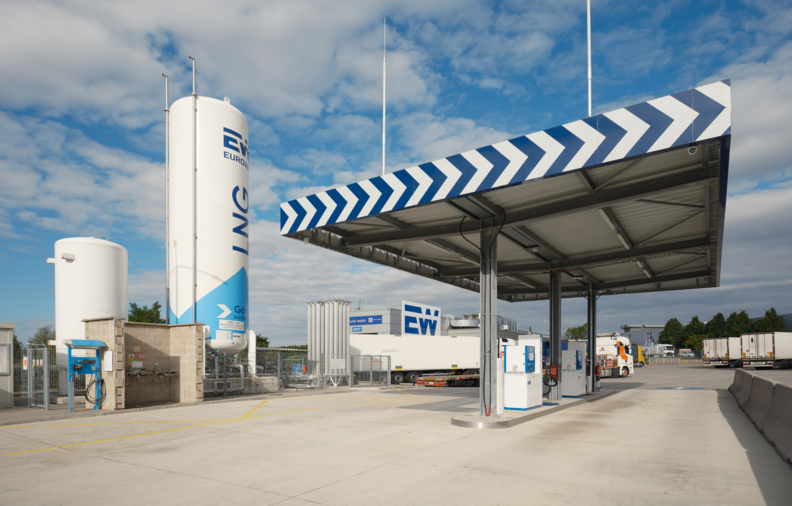
Manuel & Miranda offers a candid case study in transport decarbonization practicalities. The company acquired its first LNG vehicle in 2019, eventually operating six LNG trucks — entirely self-funded. While COVID and the Ukraine conflict upended the economics, the experience provides valuable lessons. A 26-year Eurowag partnership maintains operational efficiency and fuel cost discipline.

SUSTAINABILITY STAR | Manuel & Miranda Transportes, Lda.
Founded: 1999
HQ: Portugal
Fleet: 31 heavy, 6 light vehicles
Employees: 41
Turnover 2024: €3.21m
Scope: Iberia
Eurowag products: Fuel cards, Diesel, VAT refund
The Iberian market faces tension between regulatory pressure for decarbonization and alternative fuel economics. Insufficient refueling infrastructure, higher maintenance for alternative vehicles, and price-focused clients limit adoption. “Even today, transport price remains the main deciding factor in most tenders, not the type of fuel used.”
After initial LNG success, the pandemic and Ukraine conflict caused gas prices to soar: “We went from a promising scenario to a reality where even our customers asked us to avoid using LNG trucks.” LNG vehicles showed greater maintenance needs, longer downtime, harder-to-source parts, and reduced range requiring complex logistical rearranging. The transition was entirely self-funded with no government incentives.
The 26-year Eurowag partnership dates to the company’s founding. The fuel card network enables efficient route planning and competitive fuel purchasing. VAT refund processing manages cost structures across Iberian operations. The company believes Eurowag can further support transition by expanding its LNG refueling network.
€3.2m revenue in 2024 with steadily improving profits and cash flow. Annual energy audits assess fuel usage and CO₂ emissions by vehicle. The 27-truck fleet averages five years old. Regular driver training with automakers focuses on fuel efficiency, with geolocation tracking driver behavior for prompt feedback.
The directors recommend balance: “It’s essential to take environmental responsibility seriously, but equally important to demand the conditions that make this transition feasible — whether from the State, manufacturers, or customers.” They advocate for stronger government incentives, toll exemptions, and infrastructure investment. Despite challenges, M&M remains dedicated to lowering its carbon footprint.
.png)