Popular searches


In Europe, more than 96% of trucks still run on diesel. According to data from the past 36 years, this trend has not changed. In addition to electromobility, other alternative fuels are also gaining attention, although low-emission alternatives have only appeared on the market in the last 16 years. However, diesel remains the dominant fuel.
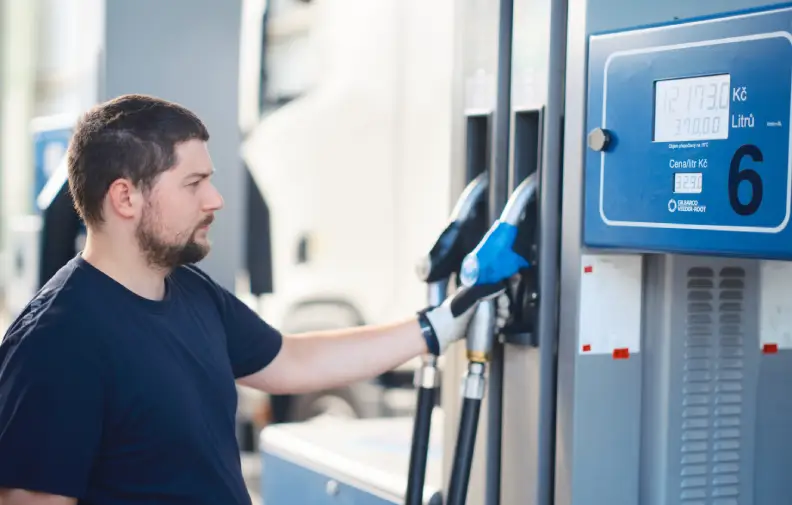
The origins of freight transport using diesel trucks in Europe date back to the 1930s, but they did not become common until after World War II, when they gradually replaced gasoline-powered trucks, which had been the most widespread until then. The reasons for preferring diesel in freight transport were 20% better fuel efficiency, higher torque for heavy loads, lower operating costs for long-distance transport, and diesel’s durability in harsh conditions. The first mass producers of diesel trucks were the German Daimler-Benz and the Swedish Scania.
Germany was also behind another first—in 2015, the first electric truck in Europe was put into service in Munich. And although the number of electric trucks has been growing since then, they still account for only a fraction of the market—approximately 0.3%. Denmark is an exception, where one in fifty trucks is electric.
Alongside electrification, other fuels are gradually gaining ground, particularly those with low carbon emissions. One such fuel is HVO (hydrogenated vegetable oil), an alternative to diesel produced from waste oils and vegetable fats that can be used in standard diesel engines without any modifications. This allows transportation companies to reduce emissions without having to immediately replace their fleets, while also gaining a competitive advantage with major manufacturers who, as part of their sustainability strategies, prioritize low-carbon transport of their goods. The HVO production started in 2007 by the Finnish company Neste, the world’s first and largest producer of this renewable diesel. However, the feedstock for HVO production is limited, and therefore it cannot be assumed that HVO will be able to replace diesel.
HVO is often confused with B100 biodiesel, but this is a mistake; HVO has significantly different properties. B100 is made from the transesterification of vegetable oils or animal fats with methanol or ethanol, it may clog fuel filters and require modifications to existing diesel engines for optimal performance, especially in colder conditions.
Gaseous fuel bioLNG (LNG-compatible) is produced from renewable biomass; today, approximately 2,500 trucks out of a total of 15,000 LNG trucks in Europe run on it. However, LNG and bioLNG are different fuels—LNG is a fossil fuel produced from natural gas. BioLNG production utilizes carbon sequestered from plants (biogenic carbon cycle), and its production is limited by the availability of renewable feedstocks.
The shift to new propulsion technologies is therefore gradual. In an environment where the average age of trucks in the EU is around 14 years — and exceeds 20 years, in some countries — faster fleet renewal cannot be expected. Additional complications stem from differing conditions across Europe. While Western European countries began investing earlier in infrastructure and renewable energy sources, transport operators in Central and Eastern Europe face higher costs and slower progress in clean mobility infrastructure, meaning multiple technologies are likely to coexist for many years.
According to a survey conducted by Eurowag in 2025, European hauliers see decarbonisation as a top priority and understand that decarbonisation is essential to future-proofing their business. Without sufficient investment in infrastructure and access to low-carbon solutions, there is a growing risk of a “two-speed” decarbonisation of European road transport that could weaken the competitiveness of companies from the CEE region compared to Western markets.
Eurowag is responding to this market shift by expanding its European acceptance network to include alternative fuels and transport decarbonisation services. Through a single platform, hauliers can access not only traditional fuels, but also bioLNG, bioCNG and HVO, as well as virtual HVO through our ‘biofuel swap’, allowing them to choose the most appropriate energy solution for each operation, while supporting a practical, commercially viable transition towards lower-carbon road transport.
Sources: https://www.acea.auto/files/ACEA_Report-%E2%80%93-Vehicles_on_European_roads_2026.pdf
https://www.eurowag.com/blog/which-way-to-turn-navigating-a-route-to-net-zero
https://ec.europa.eu/eurostat/statistics-explained/index.php?title=Final_energy_consumption_in_transport_-_detailed_statistics

.png)