Popular searches


Most hauliers operating in the EU are required to pay vehicle transport taxes - a levy applied to commercial vehicles that meet national criteria (typically exceeding 3.5 tonnes). However, exemptions (e.g., electric trucks in the Netherlands) and alternative systems (e.g., distance-based tolls in France) exist. But what does it depend on, what are the current rates, and which vehicles are subject to this obligation? Have the regulations changed since 2022? You’ll find all the answers in the article below.
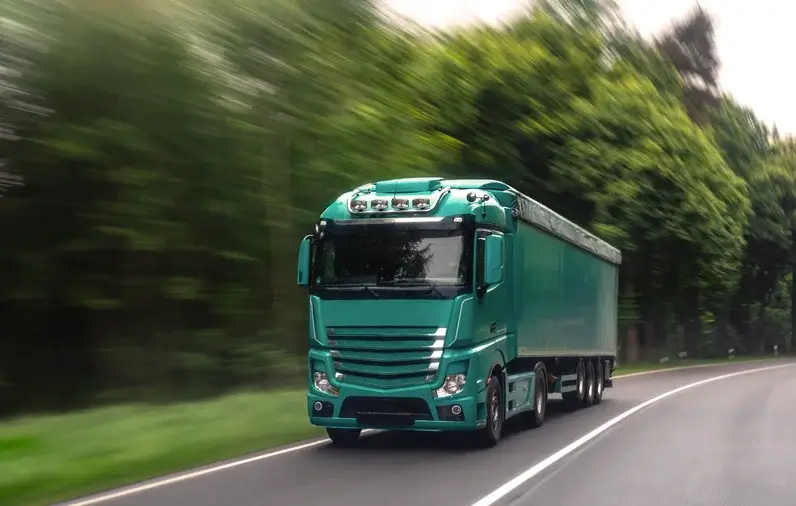
The vehicle transport tax is a local or national levy collected by regional authorities and allocated to corresponding budgets (municipal or national). For companies operating across multiple jurisdictions, the tax authority is typically determined by the vehicle’s registered location or primary base of operations.
Key EU Variations:
Always verify:
The obligation to pay vehicle tax applies to owners (both individuals and legal entities) of commercial vehicles that meet national taxation criteria. This includes organisational units without legal personality in some jurisdictions. Foreign operators must typically register their vehicles locally to comply with the host country's tax requirements, though specific rules vary across EU member states.
Co-owners listed on a vehicle's registration documents are typically jointly liable for taxes in most EU countries, though liability rules vary by jurisdiction. When transferring ownership, the registration process determines tax responsibility - while many states (like Poland) use a month-end rule, others tie liability to the registration update date. For newly registered vehicles in the EU, tax obligations typically commence on the first day of the month following the completion of registration. Temporary de-registration (when officially processed with authorities) typically suspends tax duties until the vehicle's re-registration, with payments calculated proportionally for active months.
Payment schedules vary significantly across the EU. While Poland uses a two-instalment system (15 February and 15 September), Germany employs monthly billing, and France often requires quarterly prepayments. For vehicles purchased mid-year, some countries like Poland split payments (first within 14 days of acquisition, then by 15 September), while others (e.g., Belgium) charge the full annual amount immediately. Always verify local rules with tax authorities, as deadlines and instalment structures depend on national legislation.
The taxation of vehicles varies by EU country, although most follow weight-based systems. For example:
Poland taxes:
Key differences:
Always verify vehicle categories with local transport authorities.
Vehicle tax regulations evolved differently across the EU in 2022. While Poland adjusted its national tax rate ceilings, other member states implemented distinct changes: Germany refined its emissions-based calculations, France expanded the Écotaxe to new regions, and Sweden introduced weight-based congestion charges. Tax rates are typically determined at either national or municipal levels, with variations based on:
Key points for operators:
Always consult:
Vehicle tax rates vary significantly across the EU, with member states using different calculation methods (weight, emissions, distance). Below, we use Poland’s 2024 weight-based system as an example, with comparisons to other major markets.
Poland’s Tax Rates (Example):
Lorries:
* Rates in PLN (€ conversions are approximate)
Key EU Comparisons:
Critical Considerations for Hauliers
2) Exemptions:
3) Verification Steps:
Several EU countries offer tax incentives for sustainable transport, though schemes vary significantly:
1. Refund Types by Country:
Poland: Full/partial refunds for combined rail/road transport.
Germany: Tax reductions for low-emission (Euro VI+) vehicles.
Netherlands: Exemptions for electric trucks (until 2025).
Austria: Toll discounts for intermodal operators.
2. Combined Transport Definition (EU Regulation 2022/974):
Freight qualifies if:
3. Polish Refund Tiers (Example Only):
Key Notes:
Always verify:
While exemptions vary by member state, these common categories exist:
Standard EU-Wide Exemptions
1) Diplomatic Vehicles
2) Military & Civil Protection Vehicles
Country-Specific Exemptions
3) Special-Purpose Vehicles
4) Historic Vehicles
Important Notes:
Understanding vehicle transport taxes across the EU is crucial for hauliers to stay compliant and optimise costs. Tax rates vary by country and vehicle type, with exemptions and refund opportunities available for sustainable and intermodal transport. By staying informed about the specific regulations and available savings, hauliers can ensure efficient fleet management and minimise unnecessary expenses.

.png)