Popular searches


As the European commercial road transport sector enters 2026, focus turns to the key forces shaping its direction. Based on current forecasts, regulations, and technological advances, these insights highlight the core opportunities and challenges driving the industry’s transformation.
With stricter CO₂ emission targets, we can expect an increase in the adoption of electric, bioLNG, and HVO trucks, all of which are becoming more sought after. Major logistics firms are expected to continue converting substantial parts of their fleets to low and zero-emission vehicles.
Advanced digital logistics platforms, real-time tracking, route optimization, and intelligent transportation systems are rapidly becoming mainstream. In 2026, 49.77 million telematics units in Europe are expected to be in use, representing annual growth of over 15%. Investments in connected fleet management and automation are fundamental for staying competitive.
EU and state-level incentives for green freight corridors and urban emissions zones are driving fleet upgrades and infrastructure investments in charging and alternative fuel networks. The electric truck market is projected to grow almost five times by 2030 (€1.5 bn in 2025 to €7.8bn by 2030).
Growth in e-commerce keeps pushing up demand for reliable, efficient, and flexible road freight—particularly for last-mile and urban delivery, forecasted to reach €93.8bn by 2033.
Driver shortages remain the most acute operational challenge, with Europe projected to face a crisis of up to 400k unfilled driving positions by 2026. The shortage drives wage inflation, increases operational costs, and creates constraints for capacity expansion.
Regulatory changes such as the EU Mobility Package and national CO₂-based road tolls are reshaping pricing and market structure. Despite significant growth of the EU market value, rising tolls and regulatory costs are squeezing margins for operators, especially in Central and Eastern Europe.
From 2026 onward, CO₂-based tolls will be mandatory for heavy-duty vehicles, and digital documentation is increasingly required for customs. Upgrades in road infrastructure, modernization of customs processes, and harmonization are becoming critical.
These predictions reflect a highly transformative period for the CRT industry as it embraces sustainability, new technological advancements, and enhanced regulatory compliance. We invite you to share your perspectives—do you recognize these trends in the industry?
Join the discussion on our LinkedIn page and let us know your views.
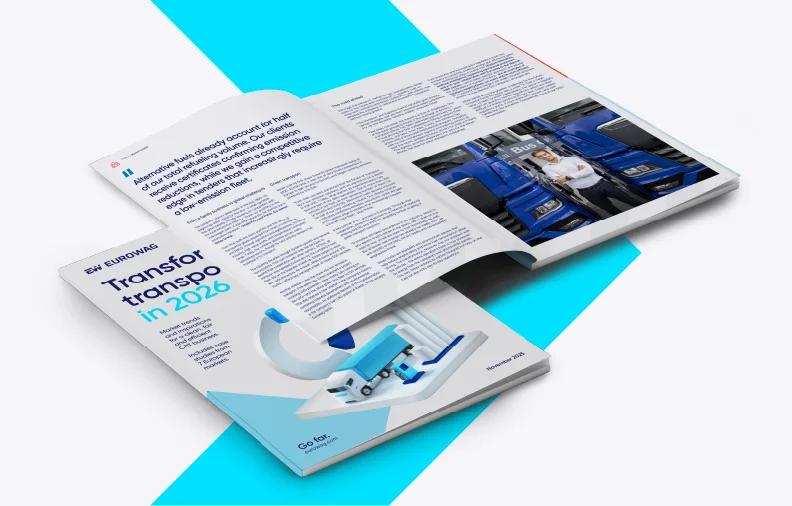
For more insights from the trucking industry, download the full industry report.

.png)